HVAC Inspection Albany: A Comprehensive Overview
Introduction
Welcome to an in-depth exploration of the critical practice of HVAC (Heating, Ventilation, and Air Conditioning) inspection in Albany, a city known for its rich history and dynamic urban landscape. This article aims to guide readers through the intricacies of this specialized field, highlighting its importance, recent developments, and global impact. By delving into various aspects, we will uncover how HVAC inspections shape the comfort, safety, and sustainability of modern buildings and cities worldwide, with Albany serving as a compelling case study.
Understanding HVAC Inspection Albany
Definition and Core Components
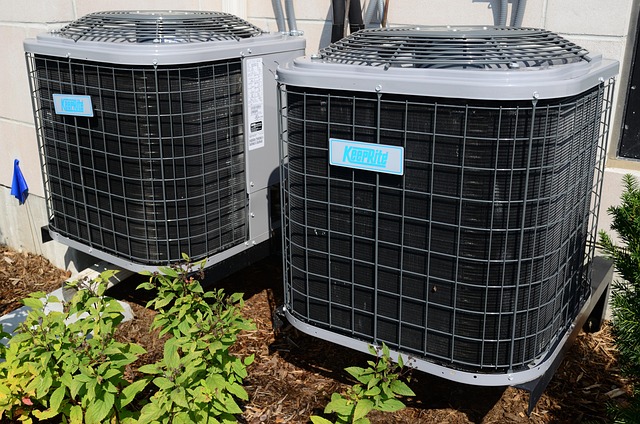
HVAC inspection Albany refers to the meticulous process of evaluating and assessing heating, ventilation, and air conditioning systems within commercial, residential, or industrial structures located in Albany, New York, USA. This inspection goes beyond a routine check-up; it involves a comprehensive analysis of various elements critical to the system's performance, efficiency, and safety. The core components include:
- Heating Systems: Examining boilers, furnaces, heat pumps, and radiators for functionality, energy efficiency, and potential hazards.
- Ventilation: Assessing air quality, flow rates, and the effectiveness of ventilation systems in ensuring proper air circulation and removing pollutants.
- Air Conditioning: Testing cooling units, refrigerants, and control mechanisms to maintain optimal temperature regulation.
- Ductwork: Inspecting and sealing ductwork to prevent air leakage, ensure efficient distribution, and maintain indoor air quality.
- Safety Compliance: Verifying that systems meet local codes, regulations, and safety standards to prevent accidents and health risks.
Historical Context and Significance
The practice of HVAC inspection has evolved over the past century, driven by advancements in technology and a growing awareness of energy efficiency and environmental sustainability. In Albany, as in many cities, the need for structured inspections became evident as buildings became more complex and energy-intensive. Early inspections focused primarily on safety, preventing accidents related to poorly maintained systems. Over time, the scope expanded to include energy performance, air quality, and sustainable practices.
Today, HVAC inspection plays a pivotal role in:
- Energy Conservation: Identifying inefficient systems and providing recommendations for upgrades to reduce energy consumption and costs.
- Indoor Air Quality (IAQ): Ensuring healthy indoor environments by controlling temperature, humidity, and the presence of pollutants or allergens.
- Environmental Sustainability: Promoting eco-friendly practices by encouraging the use of efficient equipment and renewable energy sources.
- Building Safety: Mitigating potential hazards associated with faulty HVAC systems, which can cause fires, carbon monoxide poisoning, or structural damage.
Global Impact and Trends
International Influence
HVAC inspection Albany is not limited to local boundaries; its influence extends globally due to several factors:
- Standardization: Many international organizations, such as ASHRAE (American Society of Heating, Refrigerating, and Air-Conditioning Engineers), develop standardized guidelines and protocols for HVAC system design and inspection. These standards provide a consistent framework that transcends national borders.
- Technology Transfer: Countries around the world adopt and adapt technologies developed in Albany and other advanced cities, leading to improved HVAC systems and inspection methodologies.
- International Collaboration: Global initiatives, like those focused on sustainable building practices or reducing carbon emissions, drive the exchange of knowledge and best practices in HVAC inspection.
Key Trends Shaping the Trajectory
Several trends are shaping the future of HVAC inspection globally:
- Smart Buildings: The integration of Internet of Things (IoT) devices and sensors into HVAC systems allows for real-time monitoring, predictive maintenance, and enhanced energy management. Inspectors need to stay updated on these technologies to provide effective guidance.
- Renewable Energy Sources: Growing adoption of solar, wind, and other renewable energies in heating and cooling systems requires specialized knowledge during inspections to ensure compatibility and efficiency.
- Sustainability Regulations: Many countries are implementing stringent environmental regulations, pushing the industry towards more eco-friendly practices and driving demand for energy-efficient HVAC systems.
- Remote Inspection Tools: Advancements in drone technology and thermal imaging cameras enable remote inspections, increasing accessibility and safety, especially in hard-to-reach areas.
Regional Variations
While global trends provide a framework, regional differences play a significant role:
| Region | Key Considerations |
| --- | --- |
| North America | Stricter energy efficiency standards and a strong focus on IAQ due to high population density and diverse climates. |
| Europe | Leading in renewable energy integration and stringent environmental regulations, particularly regarding greenhouse gas emissions. |
| Asia Pacific | Rapid urbanization drives demand for efficient HVAC systems, while varying climates present unique challenges. |
| Middle East & Africa | Dealing with extreme weather conditions and a growing focus on sustainable building practices due to increasing awareness and government incentives. |
Economic Considerations
Market Dynamics
The HVAC inspection market in Albany, like many other cities, experiences fluctuations driven by economic factors:
- Seasonal Demand: Peak seasons for inspections often occur during spring (for pre-summer upgrades) and fall (pre-winter preparations), leading to higher demand and potential pricing adjustments.
- Market Growth: Rising population and urbanization drive the need for new construction and renovations, creating opportunities for HVAC inspectors.
- Competitive Landscape: The presence of multiple inspection firms encourages competition, potentially offering consumers more options and competitive pricing.
Investment Patterns
Investing in HVAC systems has become a strategic move for property owners and developers:
- Energy Efficiency Returns: Upgrading to energy-efficient HVAC equipment can lead to significant long-term savings, making it an attractive investment.
- Property Value Enhancement: Modern, high-efficiency HVAC systems can increase property values, especially in competitive real estate markets.
- Government Incentives: Many governments offer incentives and rebates for installing energy-efficient HVAC systems, further encouraging investments.
Economic Impact on Albany
The economic impact of HVAC inspection Albany is substantial:
- Job Creation: It supports numerous local jobs, including inspectors, technicians, engineers, and associated service providers.
- Business Revenue: The industry contributes significantly to the city's GDP through service fees, equipment sales, and related business activities.
- Community Development: As buildings become more energy-efficient, it reduces utility costs for residents, improving their living standards and potentially stimulating local economies.
Technological Advancements
Innovations in HVAC Inspection
Technological advancements have revolutionized HVAC inspection:
- Computerized Maintenance Management Systems (CMMS): These software tools help track maintenance tasks, inventory, and equipment performance, ensuring more efficient inspections and system management.
- Drone Inspections: Drones equipped with high-resolution cameras and sensors can access hard-to-reach areas, providing detailed visual data for inspection reports.
- Smart Sensors: IoT sensors monitor various HVAC parameters in real time, allowing inspectors to make informed decisions and predict potential issues before they become critical.
- Virtual Reality (VR) Training: VR simulations offer immersive training experiences for inspectors, enabling them to learn complex scenarios and system interactions without practical risks.
Impact and Future Potential
These technologies have had a profound impact:
- Improved Efficiency: Real-time data and predictive analytics enable more efficient inspections, reducing time and costs while enhancing accuracy.
- Enhanced Safety: Remote inspection tools minimize on-site risks for inspectors, especially in hazardous environments or high-rise buildings.
- Data-Driven Insights: Advanced sensors provide valuable insights into system performance, enabling informed decisions about upgrades and maintenance strategies.
- Future Prospects: AI (Artificial Intelligence) and machine learning algorithms have the potential to analyze vast amounts of data, predict system failures, and optimize energy management.
Policy and Regulation
Governing Bodies and Frameworks
HVAC inspections in Albany are governed by various local, state, and federal bodies:
- New York State Department of Health: Sets standards for IAQ and provides guidelines for HVAC system design and maintenance to ensure public health.
- Albany Building Code: Local regulations that include provisions for HVAC systems, safety, energy efficiency, and accessibility.
- Environmental Protection Agency (EPA): Implements federal regulations related to energy efficiency, renewable energy, and environmental impact, influencing HVAC industry practices.
- ASHRAE Standards: ASHRAE develops voluntary standards for HVAC design, installation, and maintenance, which are widely adopted globally.
Influence on Industry Practices
These policies and regulations have a profound effect:
- Safety Compliance: Regular inspections ensure that HVAC systems meet safety standards, preventing accidents and potential health hazards.
- Energy Efficiency Mandates: Many regulations require minimum energy efficiency ratings for new equipment, encouraging the adoption of eco-friendly practices.
- Building Permits and Inspections: Local authorities inspect buildings during construction and renovations, ensuring compliance with HVAC codes and standards.
- Encouraging Innovation: Some policies incentivize the use of cutting-edge technologies to meet environmental and energy targets.
Challenges and Criticisms
Main Issues Faced
Despite its benefits, HVAC inspection Albany faces several challenges:
- Skilled Labor Shortage: The industry struggles to fill positions due to a shortage of skilled technicians and inspectors, leading to potential delays in inspections and maintenance.
- Rapid Technology Changes: Keeping up with rapid technological advancements can be challenging, requiring continuous training and adaptation for inspectors.
- Cost Concerns: Implementing advanced inspection tools and technologies may increase initial costs, making it a concern for smaller firms or property owners on tight budgets.
- Compliance Complexity: Navigating complex regulations and codes can be cumbersome, especially for small businesses and developers.
Proposed Solutions
Addressing these challenges requires a multi-faceted approach:
- Training Programs: Developing specialized training programs to educate and certify skilled workers can help address the labor shortage.
- Industry Collaboration: HVAC associations and manufacturers can collaborate to provide resources and guidance, keeping inspectors updated on the latest technologies.
- Government Support: Offering incentives or grants for adopting advanced inspection tools can offset initial costs, encouraging innovation.
- Simplified Compliance: Streamlining regulations and providing clear guidelines can reduce compliance burdens, making it easier for businesses to stay up-to-date.
Case Studies: Successful Applications
Example 1: Green Building Retrofit
In downtown Albany, a historic office building underwent a significant retrofit to improve energy efficiency and IAQ. The project involved replacing outdated HVAC systems with modern, high-efficiency equipment and implementing smart building technologies. Regular inspections during the renovation ensured that the new systems met local codes and achieved substantial energy savings. This case highlights how strategic inspections can drive sustainable building practices and reduce environmental impact.
Example 2: Smart University Campus
A major university in Albany embarked on a campus-wide initiative to modernize its HVAC infrastructure. By integrating IoT sensors, AI-powered analytics, and remote monitoring, they achieved efficient energy management. Regular inspections using drone technology identified maintenance needs early, minimizing downtime. This project resulted in improved student comfort, reduced utility costs, and enhanced research opportunities, setting a new standard for smart campus environments.
Example 3: Community Health Improvement
A local non-profit organization focused on improving IAQ in low-income communities. They conducted extensive HVAC inspections in several public schools, identifying issues such as inadequate ventilation and outdated equipment. By advocating for system upgrades and implementing educational programs, they improved student health and academic performance. This community-driven initiative exemplifies the positive impact of HVAC inspection on public health and well-being.
Future Prospects
Emerging Trends
The future of HVAC inspection Albany is filled with exciting possibilities:
- Smart Cities Integration: As Albany continues its smart city initiatives, HVAC systems will play a crucial role in interconnected urban infrastructure, allowing for centralized control and optimization.
- Microgrid Technology: The integration of renewable energy sources and microgrids may change the way HVAC systems are designed and managed, offering greater independence from traditional power grids.
- Wider Adoption of AI: AI algorithms will analyze vast datasets to predict system failures, optimize energy usage, and provide personalized comfort settings for occupants.
- Digital Twin Technology: Creating digital replicas of physical HVAC systems will enable virtual inspections, testing, and design iterations before actual implementation.
Strategic Considerations
To capitalize on these trends, several strategic steps are recommended:
- Continuous Education: HVAC professionals should embrace lifelong learning to stay abreast of technological advancements and regulatory changes.
- Industry Collaboration: Public-private partnerships can drive innovation, sharing best practices and resources for a more sustainable future.
- Focus on Sustainability: Encouraging the use of eco-friendly equipment and renewable energy sources will position Albany as a leader in green building practices.
- Data-Driven Decision Making: Utilizing data analytics to optimize system performance and energy efficiency will be crucial for the city's long-term sustainability goals.
Conclusion
HVAC inspection Albany is a critical component of modern urban life, ensuring comfort, safety, and energy efficiency in buildings across the city. From its historical roots to today's advanced technologies, this field has evolved to meet the evolving needs of a dynamic metropolis. By embracing global trends, navigating regulatory frameworks, and addressing challenges head-on, HVAC inspection continues to shape Albany's built environment while contributing to sustainability and economic growth.
FAQ Section
Q: How often should HVAC systems be inspected?
A: The frequency depends on various factors, including system age, usage, and local regulations. Generally, annual inspections are recommended for residential units, while commercial and industrial buildings may require more frequent assessments.
Q: What is the primary purpose of HVAC inspection?
A: The primary goal is to ensure the safe, efficient, and sustainable operation of heating, ventilation, and air conditioning systems, maintaining indoor comfort and air quality.
Q: Can advanced technologies improve the effectiveness of inspections?
A: Absolutely! Technologies like drones, IoT sensors, and AI analytics enhance inspection efficiency by providing detailed data, identifying issues early, and optimizing system performance.
Q: How do regulations impact HVAC practices in Albany?
A: Local, state, and federal regulations play a vital role in setting standards for safety, energy efficiency, and IAQ. Compliance ensures that buildings meet health and environmental requirements, driving the adoption of best practices.
Q: What are some long-term benefits of efficient HVAC systems?
A: Energy-efficient systems reduce utility costs, decrease carbon footprints, and improve building values. They also contribute to healthier indoor environments and can extend equipment lifespans.